

Taping and Wrapping Machine
Why choose us?
Your Leading Taping and Wrapping Machine Supplier
Rich Experience
Based on years of experience in equipment research and development and manufacturing in the industry, we customize and design special equipment and production lines according to the special process requirements of users.
One-stop Solution
A high-tech enterprise specializing in R&D, manufacturingimprovement and innovation of cable equipment.
Professional Team
The company has a number of technical professionals who have beenengaged in the cable equipment industry for a long time. Throughsuperb technology and unremitting efforts, we can provide you withperfect services.
Quality Service
Timely and effective after-sales support makes your cooperation worry-free. The after-sales service center has a professional after-sales service team and a professional technical support team to provide users with solutions.
-
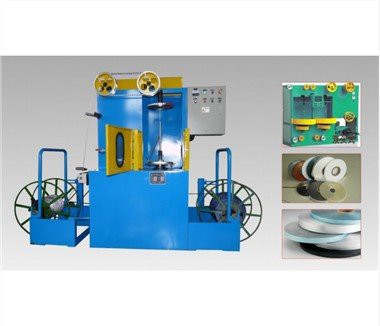 Single Belt Disk Vertical Taping MachineMainly used for aluminum foil, Mylar tape, paper tape wrapping tape of network core wire, HDMIAdd to Inquiry
 -
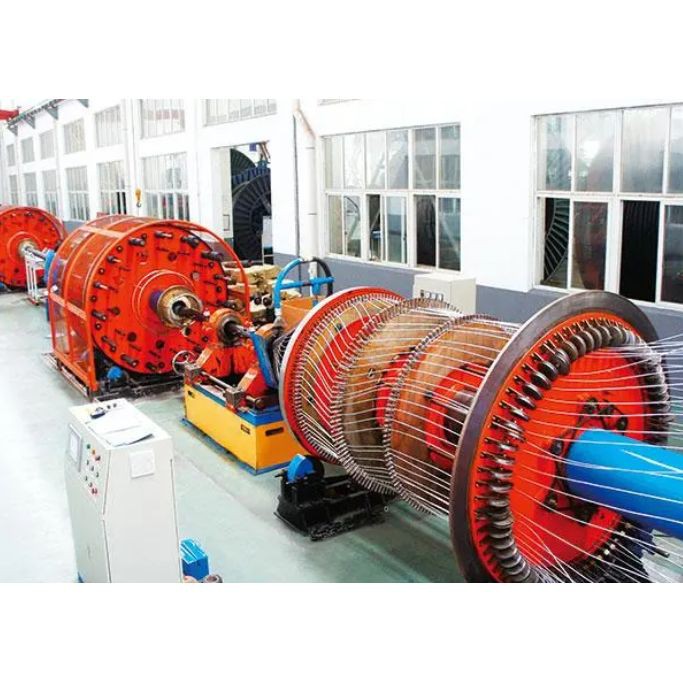
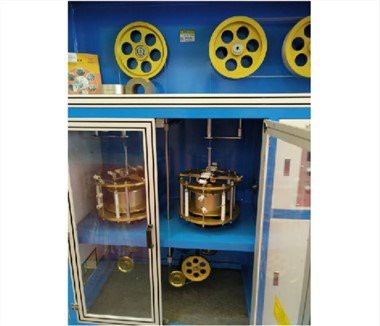 Stack Disk Vertical Taping MachineMainly used for wrapping insulating core wires of electric wires, power cables, control cables,Add to Inquiry
 -
 Single Belt Disk Horizontal Taping MachineMainly used for aluminum foil, Mylar tape, paper tape wrapping tape of network core wire, HDMI wireAdd to Inquiry
 -
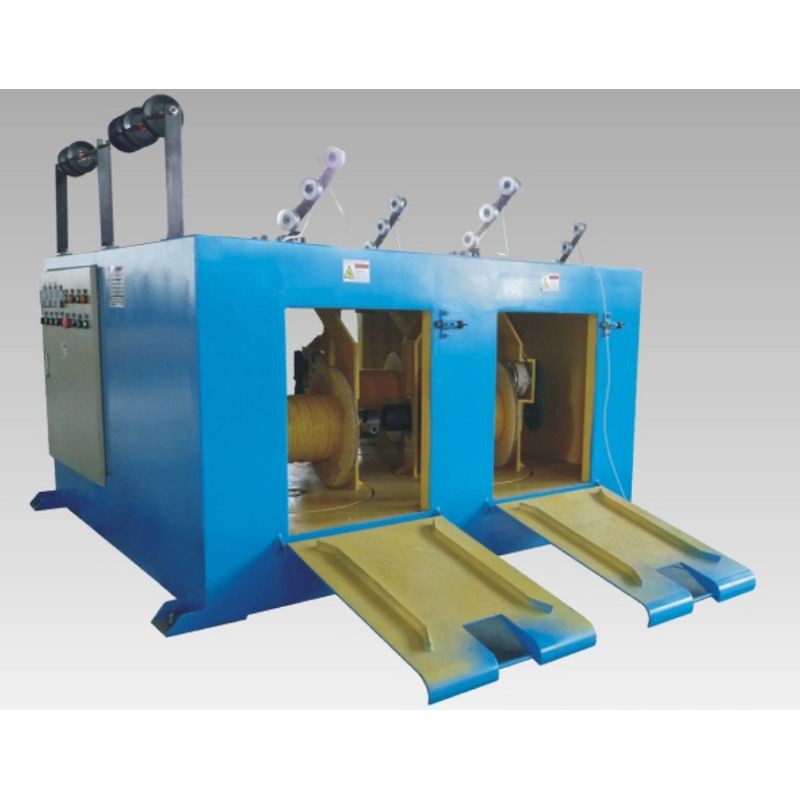
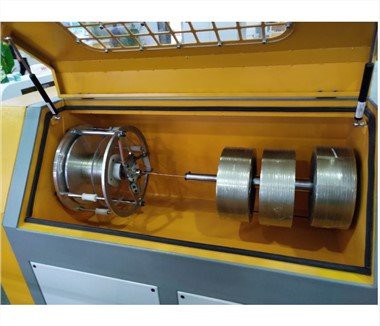 Stack Disk Horizontal Taping MachineMainly used for wrapping insulating core wires of electric wires, power cables, control cables,Add to Inquiry


- Tel: +86-571-85146715
- Fax: +86-571-85146970
- Email: shao@jinlaier.com
- Add: No.2031, Moganshan Road, Liangzhu Street, Yuhang District, Hangzhou City, Zhejiang Province
What is Automatic Winding Binging Machine
Taping and Wrapping Machine, also known as tape wrapping and packaging machine, is an automated equipment mainly used to wrap tape on the surface of an object for the purpose of fixing, protecting or decorating. This machine is often used in the packaging industry, especially in situations where a large amount of rapid packaging is required, such as logistics centers, warehouses, and production lines.
The working principle of the tape wrapping and packaging machine is relatively simple. First, the machine will fix the object on a rotating platform. Then, the machine will start the rotating platform and the tape supply system at the same time, so that the tape begins to wrap around the surface of the object. During the wrapping process, the machine can also adjust the tension of the tape and the speed of the wrapping as needed to ensure that the tape can be evenly and tightly wrapped around the surface of the object.
What Are the Advantages of Using a Stretch Wrap Machine
Efficiency
The time spent on hand stretch-wrapping depends on the human operator’s skill, height, fatigue level, environmental conditions, etc. Stretch wrap machines shorten the time for palletizing because they eliminate most of the factors that can slow humans down.
01
Productivity
Time saved from palletizing can be spent on other packaging and warehousing tasks. More jobs accomplished in a given workday increases a facility’s output.
Convenient for tall and irregular pallets
It is normal to stack boxes in tall pallets. Optimizing palletization helps reduce shipping costs. However, if the pallet is taller than a human operator, the latter will not be able to stretch plastic film to the top effectively. The same goes for irregularly shaped stacks. There are stretch wrap machines designed to address these issues. Business owners just need to find the one best suited for their needs.
02
Film waste reduction
Humans tend to pull elastic film inconsistently. Inadequately stretched regions end up as wasted film. Also, people can stretch 80-gauge plastic film only by 10-20% more than its original size.
By comparison, stretch wrap machines pull plastic films evenly, eliminating wasted film spots. They can also stretch the film to 200-300% of its original size. Therefore, they not only reduce waste but also optimize stretch wrap.
03
Fewer occupational injuries
Fewer hours spent on a repetitive and ergonomically taxing task like stretch wrapping result in fewer physical injuries. Consequently, less money will go to occupational health expenditures. Ensuring workplace safety enhances employee satisfaction and significantly reduces labor-related litigations.
04
Professional look
Evenly stretched plastic film produces a neat-looking pallet. Maintaining the professional appearance of packages, especially those requiring colored stretch wrap, reflects on a company’s reputation. Distributors and consumers view good product presentations positively.
05
Key types of taping and wrapping machines

Carton Taping Machines (Box Sealers)
Primarily used to seal cardboard boxes by applying tape to the flaps, often with options for top, bottom, or side sealing depending on the machine design.
Shrink Wrapping Machines
Apply a heat-shrinkable film to products, creating a tight seal around them, commonly used for food packaging.

Bundling Machines
Used to bundle items together with strapping tape or banding material, often for large quantities of products.

Wire Harness Taping Machines
Designed specifically to wrap electrical wire harnesses with adhesive tape to protect and secure them.
Pipe Wrapping Machines
Apply tape around pipes for insulation or protection, typically using specialized tapes like PTFE tape.

Manual Tape Dispensers
Handheld devices that dispense adhesive tape, suitable for small-scale packaging.

Semi-Automatic Tape Dispensers
Partially automated, often with a tape feed mechanism, requiring some manual operation.

Fully Automatic Tape Wrapping Machines
Completely automated systems that apply tape to products with precise control, including features like tape cutting and application patterns.
Key applications of a taping and wrapping machine include:
Packaging goods
Applying tape to seal cardboard boxes, cartons, and other packaging materials for secure shipment.
01
Wire harness assembly
Wrapping and securing electrical wire bundles in automotive, electronics, and appliance manufacturing.
02
Composite manufacturing
Precisely applying adhesive tape to create carbon fiber or fiberglass structures in aerospace and defense industries.
03
Industrial applications
Securing items like coils of wire, pipes, or large components with specialized tapes.
04
Food packaging
Wrapping food items with plastic film to maintain freshness and hygiene.
05
Benefits of using a taping and wrapping machine:
Increased efficiency: Automated process significantly speeds up packaging time compared to manual taping.
Consistent quality: Precise tape application ensures uniform seals and package integrity.
Reduced labor costs: Minimizes manual labor involved in taping and wrapping.
Improved accuracy: Precise tape placement with minimal waste.
Professional presentation: Creates neat and aesthetically pleasing packages.
Components of Taping and Wrapping Machine
A typical taping and wrapping machine consists of the following key components: tape feed mechanism, tape cutter, application roller, product conveyor belt, film roll holder, film tension control, sealing bars, cutting mechanism, control panel, and optional features like pre-stretch unit (for stretch wrap), turntable (for pallet wrapping), and product infeed/outfeed conveyors; the specific components may vary depending on the machine type and application.
Breakdown of components:
Tape Feed Mechanism: Dispenses the adhesive tape from a roll, ensuring a consistent flow.
Tape Cutter: Precisely cuts the tape to the desired length.
Application Roller: Applies the tape to the package with controlled pressure.
Product Conveyor Belt: Moves the product through the machine for taping and wrapping.
Film Roll Holder: Holds the wrapping film roll.
Film Tension Control: Maintains consistent tension on the wrapping film.
Sealing Bars: Heat seals the wrapping film to create a secure package.
Cutting Mechanism: Cuts the wrapping film after sealing to separate packages.
Control Panel: Operates the machine functions, including speed, tape length, and wrapping pattern.

Packaging machine maintenance tips
1. Create a Maintenance Schedule.
Developing a detailed maintenance schedule is one of the best ways to keep your packaging machines running smoothly. Regularly scheduled maintenance ensures all parts are inspected and serviced at appropriate intervals. Check manufacturer recommendations for maintenance frequency, but also consider the level of usage in your facility. High-volume packaging operations may require more frequent equipment servicing.
A well-structured maintenance plan typically includes daily, weekly, and monthly tasks, such as lubrication, cleaning, and performance checks. By creating a systemized approach, you reduce the risk of unexpected breakdowns and prolong the life of your equipment.
2. Perform Routine Inspections.
Regular inspections are critical within your preventive maintenance plan because you can catch minor problems before they turn into major issues. Trained personnel should examine all vital machine components for any signs of damage.
3. Lubrication Is Key
Lubrication is necessary for the longevity of your packaging equipment. Moving parts like bearings, rollers, and chains must be adequately lubricated to reduce friction and minimize wear. Inadequate lubrication can lead to increased wear, overheating, and premature failure of parts. Be sure to use the appropriate type and amount of lubricant recommended by the manufacturer. Try to avoid over-lubricating, as this can attract dust and contaminants that cause wear. Create a lubrication schedule as part of your maintenance routine to ensure nothing is missed.
4. Cleanliness Is Crucial.
Keeping your packaging machines clean is essential for both hygiene and machine performance. Debris, dust, and packaging material residue can clog moving parts and cause malfunctions. Over time, dirt buildup can impair machine performance and lead to jams or breakdowns.
Implement a regular cleaning routine using the recommended cleaning products to maintain operational efficiency.
5. Test and Calibrate Regularly.
Regular testing and calibration ensure your packaging machinery performs at optimal levels. Testing allows you to confirm that all components are functioning correctly, while calibration ensures the machine is set to the correct parameters. Faulty sensors, incorrect timing, or misaligned components can lead to inaccurate packaging, material waste, or product damage during storage or shipping.
6. Prioritize Safety Checks.
Safety is a priority when maintaining packaging machines. Regularly check emergency stop buttons, guards, and safety interlocks to ensure they are working well. Any malfunction in safety systems can lead to accidents, so it’s crucial to include safety checks in your routine maintenance plan.
7. Keep Spare Parts on Hand.
Packaging machines are complex. Most parts will eventually wear out and need replacement. To avoid downtime, it’s essential to keep critical spare parts on hand. Commonly replaced items such as belts, sensors, and seals should be part of your inventory to minimize any delays during repairs.
Our factory


Our Certificate

FAQS
Q: What is a coil binding machine?
A: COIL BINDING machines, sometimes referred to as SPIRAL BINDING machines, are easy to operate and provide you with a great looking bound document. You can choose from manual punching and binding machines, or manual punching and electric coil inserting machines, or both electric punching and coil inserting machines.
Q: What are the functions of a binding machine?
A: A binding machine is used to bind a range of papers which includes documents, manuals, quotations, brochures and much more. Using a binder helps to handle in-house printing of a company, instead of paying to outsource the work to another firm
Q: Where can I use a binding machine?
A: Crafters can find a multitude of uses for a comb-binding machine, such as assembling photo albums and scrapbooks. Businesses can bind reports and marketing materials. Comb binding machines can even be used by schools and churches.
Q: What is a cable winding machine?
A: A cable winding machine are indispensable for winding cables quick and efficiently. With such a machine – manual, semi-automatic or automatic – you save on labour and time, and therefore on costs.
Q: What are the types of winding machine?
A: There are two types of winding machines to wind the yarn in cone or cheese form. These are: drum winding machines. precision winding machines.
Q: What are the objectives of a winding machine?
A: To transfer yarn from one package to another package. To remove faults like hairiness, neps, slubs, foreign matters. Improve the quality of yarn. Reduce the end breakage.
Q: What are the features of automatic winding machine?
A: Automatic winding machine to introduce below what are its main advantages: Electro-magnetic tension control system, a frequency-alternate slotted spool yarn guide device, and a pump-primarily based totally cycling-type oiling tool ensure the package of yarns. You will have good packages by using auto winding machine.
Q: What are the advantages of winding machine?
A: Automated winding eliminates the need for labor-intensive manual winding. Enables mass production with minimal labor, reducing errors. A cost-friendly alternative to manual labor without compromising on quality.
Q: What are the requirements for winding?
A: Easy unwinding: Yarn to be wound so that it can be unwound easily. Suitable size and shape of the package: Size and shape should be proper. Economical condition: The package size should be controlled the particular economic requirements. Avoid excess loosened and tightness: Should be taken care.
Q: What are the objectives of winding machine?
A: A modern winding machine can process yarns ranging from a count of Ne 2 to finer ones, at a winding speed of 400 to 2000 m/min. Winding is more than just transferring yarn from one package to another. Further functions of winding are to check the yarn and to eliminate any faults found.
Q: What are the main equipment used for winding?
A: The equipment mainly includes a parallel winding machine, ring winding machine, stator, and rotor winding machine, textile winding machine, voice coil winding machine, etc.
Q: What are the principles of winding machine?
A: The working principle of the winding machine is to change the package and increase the yarn package Increase the yarn capacity and remove the defects on the yarn to improve the quality of the yarn. The main task of the winder is to wind and connect the bobbins with less capacity.
Q: What is the material used for winding machine?
A: The main reason for using copper is because of its high electrical conductivity. So the use of this metal (Cu) as compared to other types of metals is more because it improves energy efficiency for motors. Thus enameled copper wire is used for generator, motor winding, and field windings
Q: What are the most commonly used materials for windings?
A: Copper is the most common magnet wire choice due to its high conductivity and relatively low cost. For most motors, like the one shown below, we use copper with a thin enamel coating. We tightly wrap the wire to create the winding that will build the electromagnetic field to drive the motor
As one of the most professional taping and wrapping machine manufacturers and suppliers in China, we're featured by quality products and good service. Please rest assured to wholesale durable taping and wrapping machine at competitive price from our factory.
Shaft On Both Sides Take Up Machine, Single Twist Cabling Machine, programmable wire stripping machine